|
We know you flagged that fraud is a concern for you, so this is a quick update to tell you how we’re addressing concerns and supporting residents. Watch out for online scams this Black Friday
Looking for a bargain this Black Friday? Scammers take advantage of shoppers’ eagerness to nab items at knock down prices in the online sales.
Watch out for offers that claim to have limited availability, designed to make you rush into your purchase, without making the usually checks and considerations you would usually take.
Here’s some tips to help prevent shoppers falling victim by:
• Securing your important online accounts: turn on 2-step verification (2SV) for all your important accounts to create an extra layer of security against fraudsters accessing your information.
• Checking out and paying securely: check out ‘as a guest’ if you can, don’t allow websites to store your bank/card details.
• Never paying by direct bank transfer and using a credit card (if you have one). If you use payment services such as PayPal, Apple Pay or Google Pay, check what cover they provide.
• Being wary of delivery scams: if you receive a message or a phone call about a delivery, stop and think if the request is genuine. Don’t click links in unexpected messages. Check a request is genuine by contacting the organisation directly.
• Checking before you click. Visit retailers through their official website or app, and check unfamiliar sellers independently. Avoid too-good-to-be-true deals/offers promoted on social media.
• Comparing before you pay. Check historic prices/total cost, and don’t let huge discounts or countdown timers rush your decision.
• Acting quickly if something goes wrong. Contact your bank or payment provider, secure any compromised accounts and report the scam. Refund rights depend on how you paid and what happened.
• Look at reviews from several online review sites, for example uk.trustpilot.com, www.feefo.com or www.smartcustomer.com. Review sites should only be used as an indication, not a guarantee.
Online shoppers are being encouraged to follow the Stop! Think Fraud advice from the Home Office and the National Cyber Security Centre – to help prevent themselves falling victim: stopthinkfraud.campaign.gov.uk
Report suspicious emails, text messages or fake shop websites to the NCSC: www.ncsc.gov.uk which works with partners to analyse, investigate and take down malicious content.
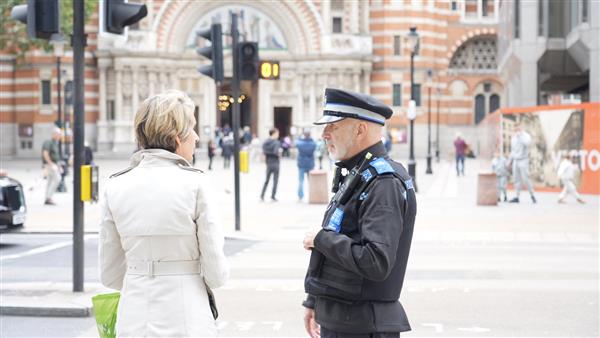 We consider fraud to be a serious crime and will put the time in to tackle it however we can. In the meantime, there are ways to keep yourself safe. Fraud comes in many forms and across various different channels, whether that's through emails, phone calls or in person encounters. Please see a few resources below to protect you and others from potential fraudsters: For more information and help and to report fraud, go to Action Fraud, the UK’s national fraud and cybercrime reporting centre. Lastly, if you think you’ve uncovered a scam, been targeted by a scam or fallen victim to fraudsters, please contact 101 or Action Fraud on 0300 123 2040 or online at Action Fraud. We want your help to shape the future of policing across London. We are seeking your views on our new inclusion strategy to ensure that the Met is a police service that is trusted, representative and more effective at keeping London safe. You can have your say on our Inclusion Strategy consultation which runs until Thursday 26 November. |